

17 Senses
17 Health Awareness Tips – Senses Abuse Part – 17 / Total 21 part
Health Awareness and Life Changing Seminar – All 21 Tips
17ht Abuse of Senses: Overcoming Sensory Overload in a Modern World
17ht Abuse of Senses – Every single moment, our five senses—sight, hearing, touch, taste, and smell—serve as gateways connecting our internal world to the environment around us. However, in today’s hyper-stimulated society, sensory overconsumption and abuse have become alarming norms. From endless screen time and loud music to processed junk food, constantly overworking our senses drains our mental energy, degrades physical health, and obscures inner peace.
Learning to recognize and curb sensory abuse is one of the most vital steps you can take toward restoring clarity and emotional stability.
The Hidden Consequences of Sensory Abuse
In traditional philosophies, such as Yoga (Indriya Nigraha or sensory control), overindulging the senses is recognized as a primary root of psychological unrest. When we continuously subject our sensory organs to excessive stimuli, the human body and mind pay a steep toll:
Visual Exhaustion: Staring at bright screens for hours on end causes digital eye strain, chronic headaches, and disrupted sleep patterns.
Auditory Damage: Listening to high-volume audio through headphones leads to permanent hearing degradation, heightened irritability, and elevated stress levels.
Overstimulated Taste & Digestion: Regularly consuming hyper-palatable, highly processed foods dulls natural taste buds, triggers unhealthy cravings, and disrupts metabolic health.
Mental Overload: Constant sensory input leaves the brain in a state of hyper-arousal, consequently driving anxiety, brain fog, and shortened attention spans.
Actionable Steps to Protect Your Senses
Protecting your sensory organs does not mean shutting yourself off from the world. Instead, it requires adopting conscious moderation and intentional rest. To achieve this balance, consider integrating these daily practices:
1. Practice Visual Hygiene
Give your eyes regular relief throughout the day. For instance, follow the 20-20-20 rule: every 20 minutes, look at an object 20 feet away for 20 seconds. In addition, schedule screen-free hours before bedtime to allow your eyes and mind to relax naturally.
2. Protect Your Hearing
Lower headphone volumes to safe listening levels and take frequent breaks from personal audio devices. Furthermore, seek out periods of absolute silence throughout your day to let your nervous system reset.
3. Simplify Your Diet
Reclaim your sense of taste by reducing refined sugars, excess salt, and artificial flavorings. As a result, real, whole foods will begin to taste vibrant again, and your digestive system will function more efficiently.
4. Embrace “Sensory Fasting” (Pratyahara)
Set aside dedicated time each day for quiet introspection, meditation, or nature walks without digital devices. By unplugging from artificial inputs, you allow your overstimulated nervous system to heal and recharge.
Final Thoughts
In conclusion, abusing our senses degrades the very instruments that allow us to experience life fully. By shifting from mindless overindulgence to conscious consumption, you protect your physical health, sharpen your focus, and cultivate profound mental tranquility. Ultimately, honoring your senses is an act of deep self-respect.
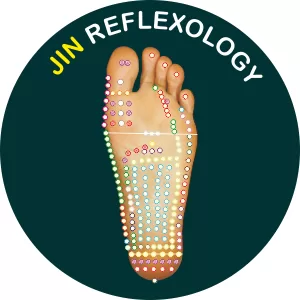
JIN Reflexology Foot
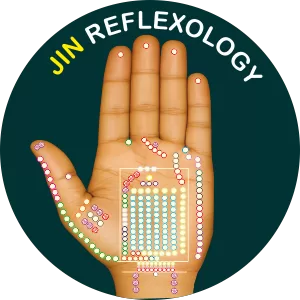
JIN Reflexology Hand