

21 Avoid Lust Picture
Health Awareness and Life Changing Seminar – Tips-21. Avoid Lust Picture
Health Awareness and Life Changing Seminar – All 21 Tips
21ht Avoid Lust Pictures: Protecting Your Mind and Preserving Inner Energy
21ht Avoid Lust Pictures – In the digital age, we are constantly bombarded with visual stimuli. From social media feeds and advertisements to explicit online content, modern media often exploits primal desires to capture our attention. However, continuously exposing your eyes and mind to lustful pictures carries a heavy psychological and energetic toll. In fact, learning to guard your vision and avoid triggers is one of the most powerful steps you can take toward cultivating mental clarity, emotional stability, and inner peace.
Understanding why visual purity matters allows you to reclaim your focus and master your thoughts in a hyper-stimulated world.
The Hidden Impact of Visual Triggers on the Mind
Human consciousness is deeply influenced by what we consume visually. When you look at explicit or lustful imagery, it instantly triggers a cascade of chemical responses in the brain, flooding your system with dopamine. While this provides a temporary rush, the aftermath often brings distinct consequences:
Scattered Focus and Mental Fatigue: Constant exposure to hyper-sexualized imagery overworks the brain’s reward pathways. Consequently, this leaves you feeling drained, distracted, and unable to concentrate on meaningful goals.
Heightened Anxiety and Restlessness: Artificial visual stimulation fuels perpetual craving and dissatisfaction. As a result, it breeds inner turmoil, making it difficult to find peace or contentment in the present moment.
Erosion of Self-Discipline: Giving into the habit of viewing triggering content weakens your willpower over time. In contrast, practicing visual restraint strengthens your character and emotional resilience.
Practical Ways to Practice Visual Purity and Discipline
Protecting your mind does not happen by accident; instead, it requires setting deliberate boundaries and practicing digital mindfulness. To help you stay grounded, consider integrating these actionable steps:
1. Practice Intentional Digital Hygiene
First and foremost, clean up your digital environment. Unfollow accounts, unsubscribe from channels, and avoid platforms that routinely push suggestive or explicit content into your feed. By curating what you see, you drastically reduce accidental triggers.
2. Guard the “First Glance”
You cannot always control what pops up on a screen, but you can control the second glance. If an unwanted image appears, immediately redirect your gaze or look away. By breaking the cycle of prolonged attention, you prevent the mind from dwelling on the stimulus.
3. Channel Your Energy Constructively
Visual cravings often peak when you are bored, stressed, or lonely. Therefore, when urges arise, consciously transmute that energy into productive outlets—such as physical exercise, creative projects, reading, or meditation.
4. Cultivate Mindfulness and Meditation
Developing daily self-awareness helps you observe your thoughts without reacting to them. In addition, deep breathing and grounding exercises help quiet the nervous system, bringing your focus back to a state of calm.
Final Thoughts
In conclusion, guarding your eyes against lustful pictures is an act of profound self-respect. By shifting away from digital overstimulation and protecting your mental energy, you cultivate unshakeable inner strength, sharper focus, and deep emotional tranquility. Ultimately, mastering what you look at allows you to master your life.
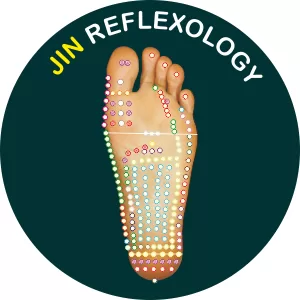
JIN Reflexology Foot
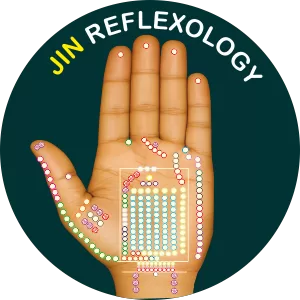
JIN Reflexology Hand